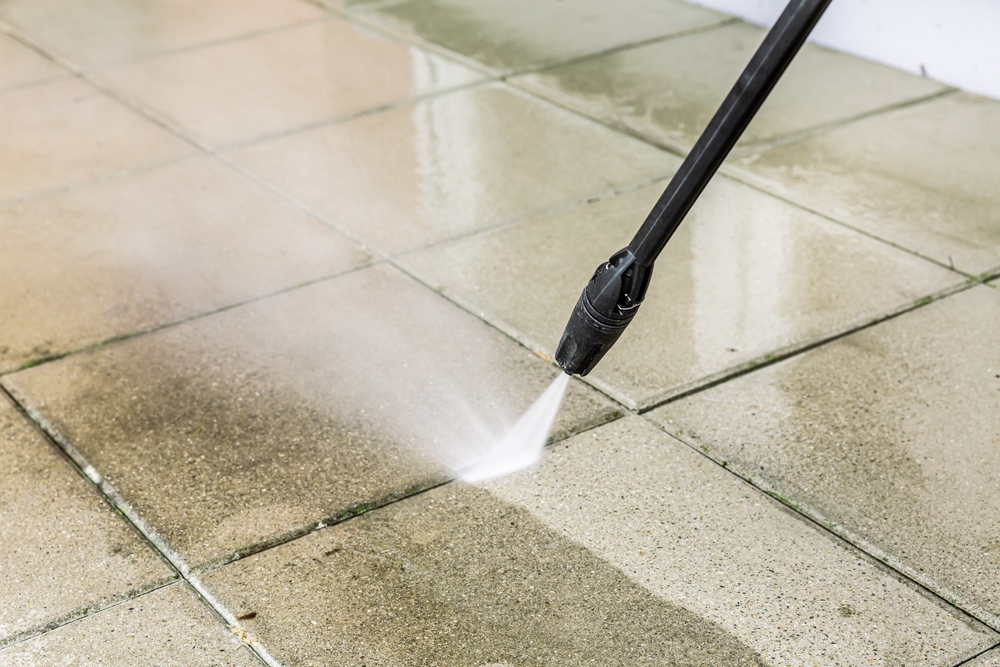
Think about how your driveway is the welcome mat to your home. It’s one of the first things guests see and greatly impacts your...
Homeowners ask me about this pretty regularly — the assumption being that renting a pressure washer from Home Depot or Lowe's for a Saturday afternoon will get them roughly the same outcome as hiring a professional crew, and I genuinely understand why it seems that way on the surface. The reality is that commercial-grade equipment operates at a fundamentally different level than anything available at a rental counter, and the PSI settings alone aren't even the most important part.
What actually makes the difference is knowing which settings to use on which surface, combined with detergents that are properly diluted and formulated to kill mold at the root rather than just bleach it so it looks clean for a few weeks. A DIY job, in most cases, ends up redistributing the dirt and biofilm rather than extracting it, which means the grime comes back faster and your siding or concrete doesn't get the protection it needs. Reputable local companies also offer soft washing alongside traditional pressure washing — a low-pressure method that uses specialized cleaning solutions on surfaces like vinyl siding, stucco, or roofing where high pressure would cause real, sometimes irreversible damage.
Understanding the difference between pressure washing vs soft washing matters more than most homeowners realize, because applying the wrong method to the wrong surface can crack shingles, etch wood permanently, or void the manufacturer's warranty on your siding. A technician with credentials from the Pressure Washing Resource Association (PWRA) or the United Association of Mobile Contract Cleaners (UAMCC) has been trained specifically to make those calls correctly, which is honestly where most of the peace of mind comes from when you hire someone.
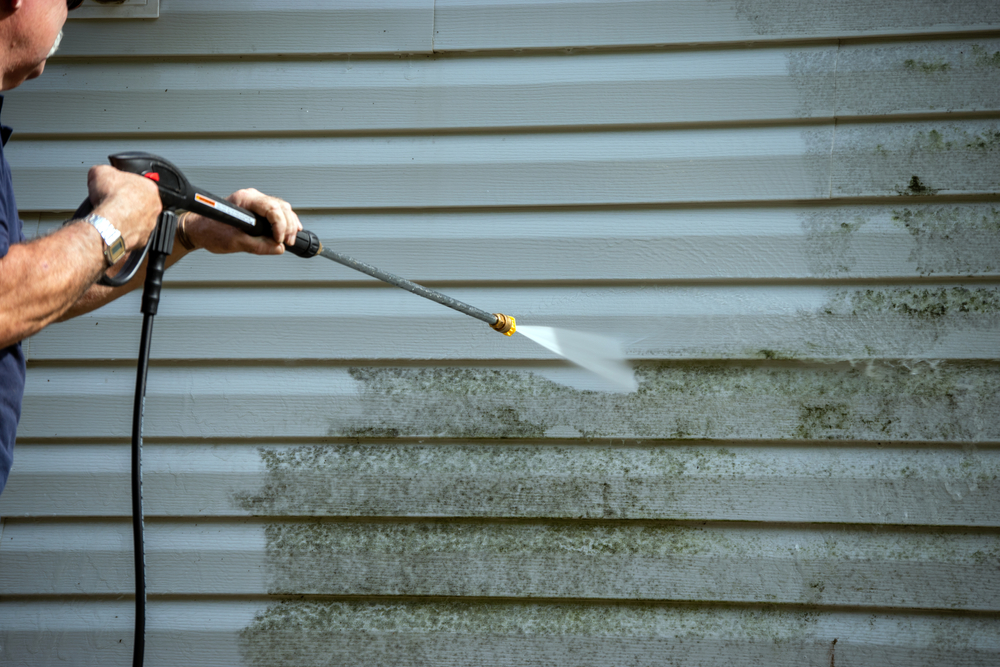
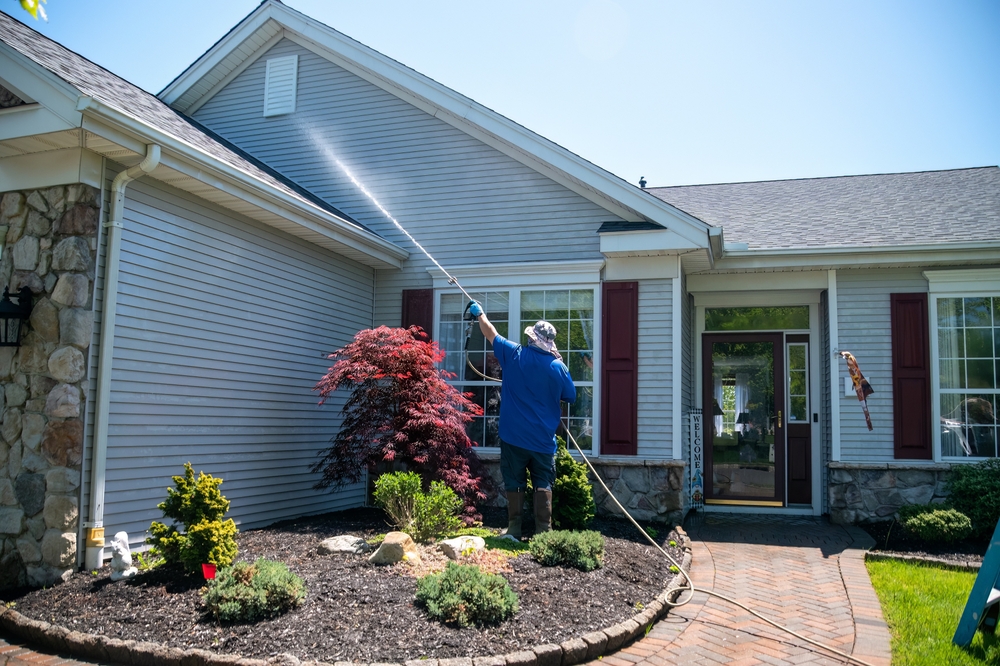
The scope of work varies a lot — we handle everything from a single residential driveway in Franconia to large commercial parking lots and multi-story building exteriors, and it’s really just a question of matching the crew size and equipment to the job.
Regular professional cleaning does more for a property than most people expect, though. Beyond the obvious curb appeal improvement, you’re extending the functional life of your siding, concrete flatwork, and wood surfaces by removing the organisms that eat away at them over time.
Roof cleaning is a good example of where this gets overlooked: those green and black streaks you see on asphalt shingles aren’t just cosmetic — the algae, moss, and lichen are actively degrading the shingle material and trapping moisture underneath, which shortens the roof’s lifespan and can lead to repair bills that dwarf what a cleaning would have cost. Soft washing is the only method the industry recommends for roofs, for that reason. And the same logic applies to the mold and algae on your siding or foundation walls — those organisms hold moisture against the surface, which speeds up decay in wood and can work its way into masonry over time, so treating it professionally is less of an optional upgrade and more of a maintenance decision that pays for itself.
Think about how your driveway is the welcome mat to your home. It’s one of the first things guests see and greatly impacts your...
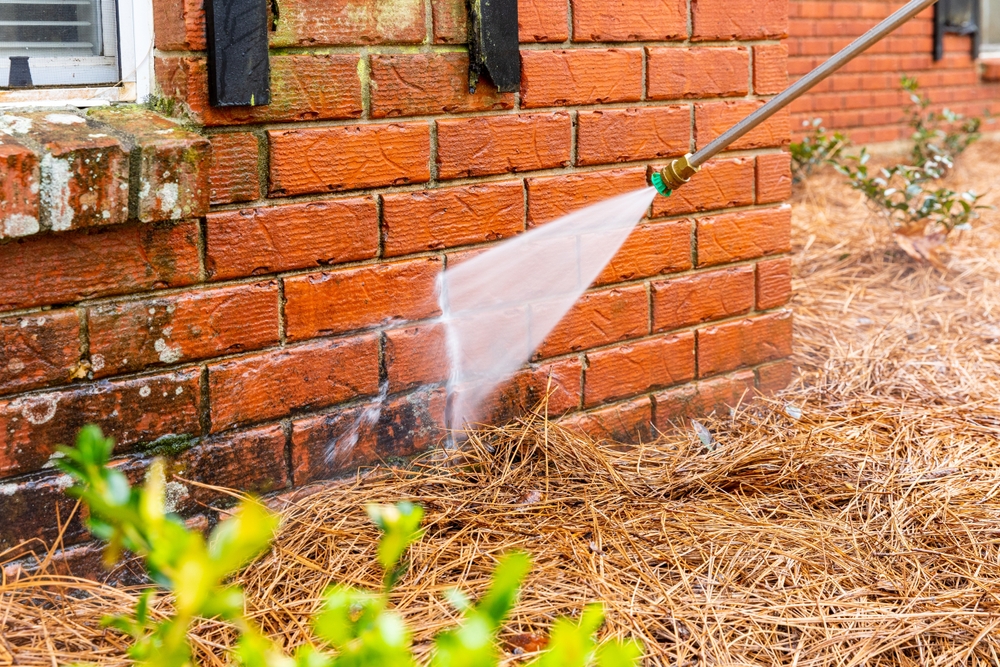
Power washing your house can be a game-changer for its appearance and maintenance. But how much does it cost to power wash a house?...
Think about what you’re actually asking someone to do when you hire a pressure washing company: you’re handing them access to your home’s exterior surfaces — roofing, siding, painted wood trim, stamped concrete — and trusting them to apply anywhere from 500 to 4,000 PSI of water pressure to materials that have very different tolerances. Given that, credentials aren’t a formality or a marketing checkbox; they’re genuinely the clearest signal you have about whether the person knows what they’re doing before something goes wrong. The two most widely recognized credentialing bodies in exterior cleaning are the Pressure Washing Resource Association (PWRA) and the United Association of Mobile Contract Cleaners (UAMCC), and both require members to demonstrate working knowledge of surface-specific PSI limits, chemical dilution ratios, runoff containment, and safe equipment handling before issuing any kind of certification. A technician who has actually gone through that vetting process is meaningfully less likely to strip the finish off your wood trim or etch the surface of a stamped concrete driveway.
The PWRA certification covers core competencies including soft washing chemistry, roof cleaning protocols, and environmental compliance — specifically, how to prevent detergents containing sodium hypochlorite from running off into storm drains or landscaping beds, which is something a lot of unlicensed operators don’t think about until after there’s a problem. The UAMCC offers a more tiered path, where its Certified Exterior Cleaning Technician (CECT) designation represents a verified baseline of field knowledge. Some contractors in the Franconia area also carry manufacturer-specific training certificates from equipment brands like Hydro-Tek or General Pump, which indicates they understand the mechanical tolerances of machines operating at 3,000–4,000 PSI. These aren’t credentials that every company bothers to pursue — the process takes time and costs money — which is exactly why asking to see them upfront separates serious professionals from people running weekend operations.
These credentials also intersect directly with how a company handles insurance, and that connection matters. Any reputable certified contractor will carry general liability coverage — typically $1 million to $2 million per occurrence — along with workers’ compensation for their crew, and if they don’t, any property damage or on-site injury can quickly become your financial problem rather than theirs. When you’re vetting a Franconia pressure washing company, ask specifically for a certificate of insurance that names you as an additional insured for the duration of the job, and confirm whether the policy covers chemical damage in addition to physical damage, since those are sometimes treated separately. Certified contractors who belong to professional associations are far more likely to carry comprehensive policies because the organizations often require adequate insurance as a condition of membership. That combination — verified training plus proper coverage — is the clearest indicator you have that you’re hiring someone who will treat your property with actual care.
In Franconia, PA, pressure washing usually runs between $0.10 and $0.50 per square foot, which puts most residential jobs somewhere in the $100 to $400 range. Larger commercial areas, taller buildings, or surfaces with heavy embedded staining can push that up to $500–$1,500 or more depending on scope. The surface type, accessibility, and how long it’s been since the last cleaning all factor into where a specific job lands on that range.
For a 1,500 square foot driveway in Franconia, PA, most homeowners end up spending between $150 and $300. Heavy oil staining, significant mold growth, or awkward access points can push that figure higher. Most local contractors price standard driveway cleaning at roughly $0.10 to $0.20 per square foot, though the condition of the surface is usually the biggest variable.
Washing a 2,000 square foot house typically takes somewhere between 2 and 4 hours from setup to pack-up, though that’s for a reasonably clean single-story home. If the house has multiple stories, heavily detailed trim work, or hasn’t been washed in several years — which is pretty common with some of Franconia’s older homes — it can stretch to 5 or 6 hours without any trouble.
A 10×10 deck in Franconia, PA will generally run between $50 and $150, with composite decking or elevated decks tending toward the higher end since they require more careful handling or additional setup time. Heavily weathered wood that needs multiple passes or a specialized pre-treatment solution can also move the price upward, so it’s worth mentioning the deck’s condition when you’re getting a quote.
Tired of grime? Let’s get your property looking fresh again!