October 9, 2026

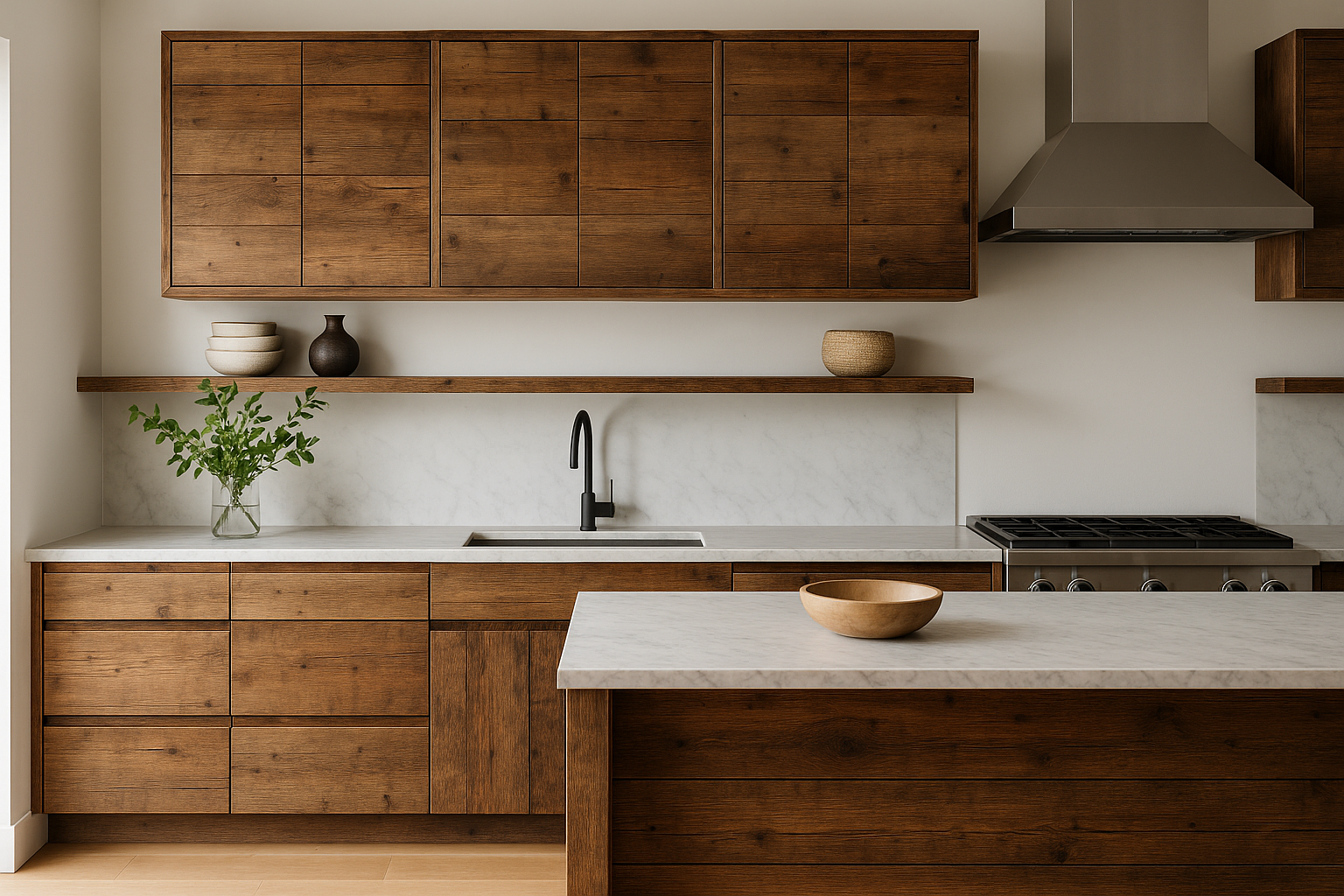
Choosing between cabinet refacing vs. replacement in your kitchen reno usually comes down to one question most homeowners skip: are the existing cabinet boxes still structurally sound? If they are, refacing can update the look of a dated kitchen for roughly 40 to 60 percent of what new cabinetry costs. If they are not, or if the layout fights you every time you cook, replacement is the honest answer.
This guide walks through what each option actually changes, what they cost in 2026, and a simple inspection you can do this weekend before you call anyone.
Refacing keeps your existing cabinet boxes in place and replaces everything you can see. A crew strips the old doors and drawer fronts, applies new veneer or laminate skin to the exposed box faces and end panels, then installs new doors, drawer fronts, hinges and hardware.
A typical refacing scope includes:
What refacing does not change: the footprint, the interior shelf depth, the drawer box construction (unless you pay to swap them) and any structural sagging. Your kitchen keeps the same layout, the same cabinet heights and the same storage capacity it has today.
Replacement tears out the old boxes down to the drywall and starts over. That opens the door to a different island size, a 36-inch range where a 30-inch one used to sit, taller uppers that reach the ceiling, or a pantry wall where a soffit used to be.
Replacement also forces a few related decisions. Once cabinets come out, the countertop rarely survives the demo, backsplash tile has to be redone, and electrical or plumbing may need to move to serve the new arrangement. That is why a replace-the-cabinets project so often turns into a full kitchen remodel with a much larger budget attached.
The tradeoff is that everything is new: box materials, hinges, interior finish and warranty coverage. If you are planning around serious cooking, the layout freedom matters more than the finish, which is a point we get into when designing a chef’s kitchen around work zones instead of wall space.
Before you compare quotes, spend twenty minutes checking whether your boxes deserve to stay. This is the part the average cost article leaves out, and it is the single biggest predictor of whether refacing kitchen cabinets will look good in five years.
In a lot of Bucks and Montgomery County homes built between 1985 and 2005, the boxes are plywood or thick particleboard in decent shape, and refacing pencils out well. In older colonials and farmhouses, cabinets are frequently site-built and out of square, which changes the math. Our notes on historic home renovations cover why original millwork sometimes deserves preservation rather than a veneer skin.
For a closer look at this topic, see our guide: How to Match New Hardwood to Existing Floors During a Reno.
Related reading: What to Do if You Find Water Damage During a Kitchen Demo.
For a closer look at this topic, see our guide: Siding Repair vs. Replacement: Making the Right Call.
Related reading: Designing the Ultimate Outdoor Kitchen for Summer Entertaining.
People searching for kitchen cabinet refacing often mean one of three different jobs, and the price gap between them is significant.
If your only complaint is the color, paint. If the raised-panel oak doors themselves are the problem, refacing is the smaller of the two remaining options.
Prices below assume an average kitchen of roughly 25 to 30 linear feet of cabinetry in southeastern Pennsylvania. Your quote will move with door material, kitchen size and how much of the surrounding scope gets pulled in.
Timeline is the other cost. Refacing runs about three to five working days with the kitchen usable most evenings. Replacement means six to twelve weeks of cabinet lead time before demolition, then two to four weeks without a functioning kitchen. Harvard’s Joint Center for Housing Studies tracks how remodeling spending keeps climbing, and labor availability is a real part of why replacement schedules stretch.
Reface when the boxes pass the audit, the layout works, and the finish is the only thing embarrassing you. It is also the practical choice when you are prepping to sell within two years and want visual impact without a five-figure return risk, or when you would rather spend the difference on flooring, appliances and a quartz countertop.
One more scenario: solid wood cabinets from a good era. Refacing lets you keep boxes made from materials that are expensive to buy new today, while updating hinges and door styles to current standards.
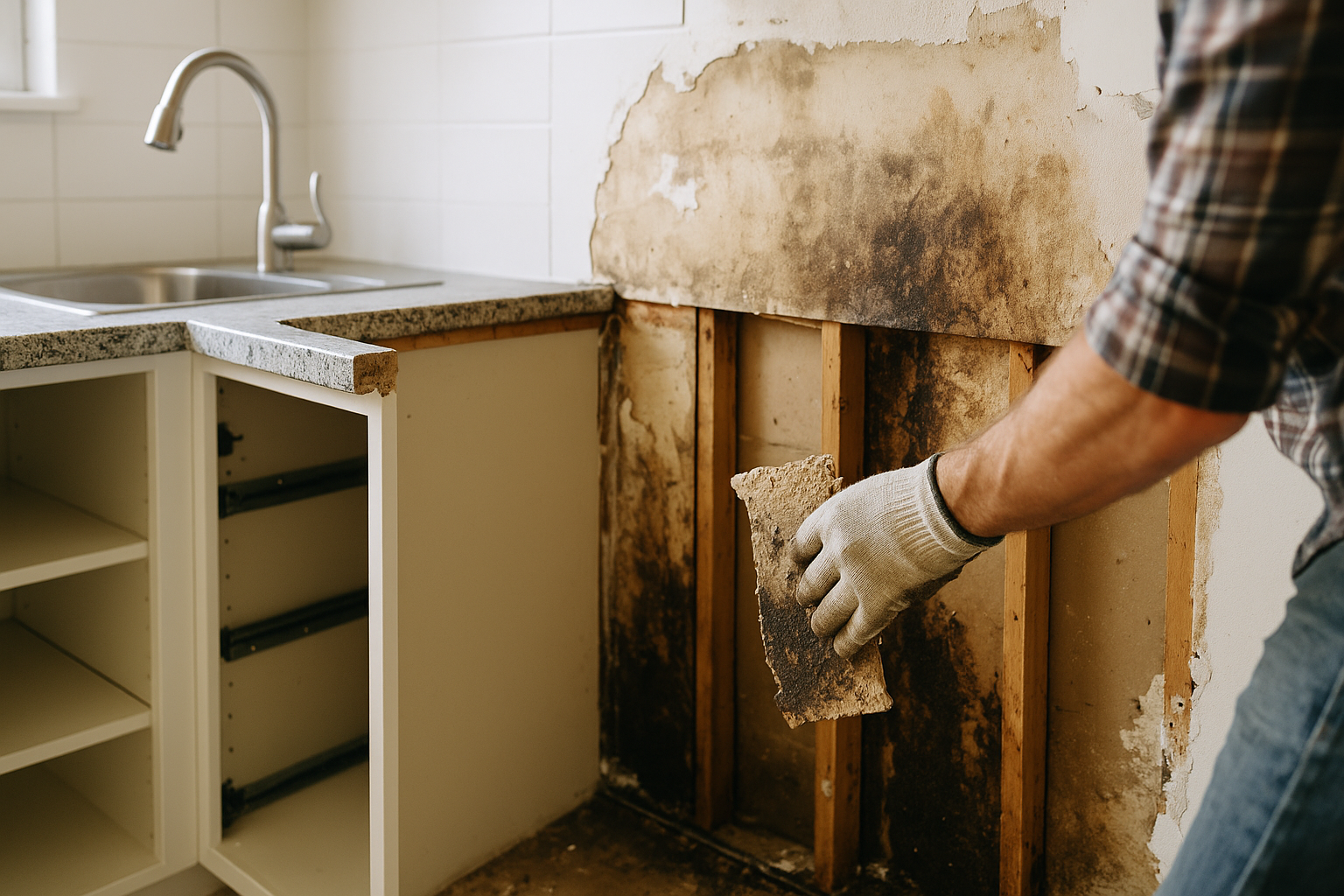
Replace when the boxes are water damaged, sagging, or built from swollen particleboard. Replace when you need to move the sink, widen a walkway to 42 inches, delete a soffit or add a functional island, because none of that is possible while the old carcasses stay bolted to the wall.
Also replace if you are already opening walls. Paying a crew twice, once to reface and again to demo eighteen months later when you finally do the addition, is the most common regret we hear. And if your kitchen has persistent odor or mold behind a base cabinet, new boxes built to current composite wood emission standards are the healthier outcome.
Refacing has real limitations that a sales visit may gloss over. Veneer can lift near the dishwasher if the installer skips heat shielding. Color matching between new doors and refaced frames is imperfect on stained wood, which is why painted refacing tends to look more consistent. And you inherit whatever interior shelving and drawer boxes already exist, so a cheap kitchen stays cheap on the inside.
Ask any contractor for local before and after photos, confirm the veneer thickness in writing, and read reviews carefully. Ours are posted on our customer reviews page if you want to see how projects went for neighbors in Souderton, Perkasie and Lansdale.
Refacing is better when the existing boxes are structurally sound and the layout works, which describes roughly half the kitchens we look at. Replacement is better when boxes are water damaged or when you need to change the footprint, since no amount of new veneer fixes a bad floor plan.
The main downside is that you keep every existing limitation: same layout, same storage, same interior shelving, and typically a 10 to 15 year lifespan tied to boxes that already have some age on them. Veneer edges can also lift over time near heat sources like dishwashers and ovens if the installation skips proper shielding.
Refacing usually runs $7,000 to $15,000 versus $9,000 to $38,000 for replacement, so most homeowners save 40 to 60 percent. The savings widen further when you factor in countertops and backsplash, which almost always have to be redone during a full cabinet replacement.
Yes, $30,000 covers a solid mid-range kitchen remodel in Bucks and Montgomery County if you reface rather than replace. A realistic split looks like $10,000 for refacing, $5,500 for quartz counters, $4,000 for flooring, $5,000 for appliances and the balance for lighting, paint and labor contingency.
We will inspect your cabinet boxes, tell you honestly whether refacing makes sense, and put both options in front of you with real numbers instead of a single take-it-or-leave-it figure. Contact Wolfpack Home Services to schedule a walkthrough of your kitchen.
From kitchens to roofs, I manage projects that transform your home.
