September 25, 2026
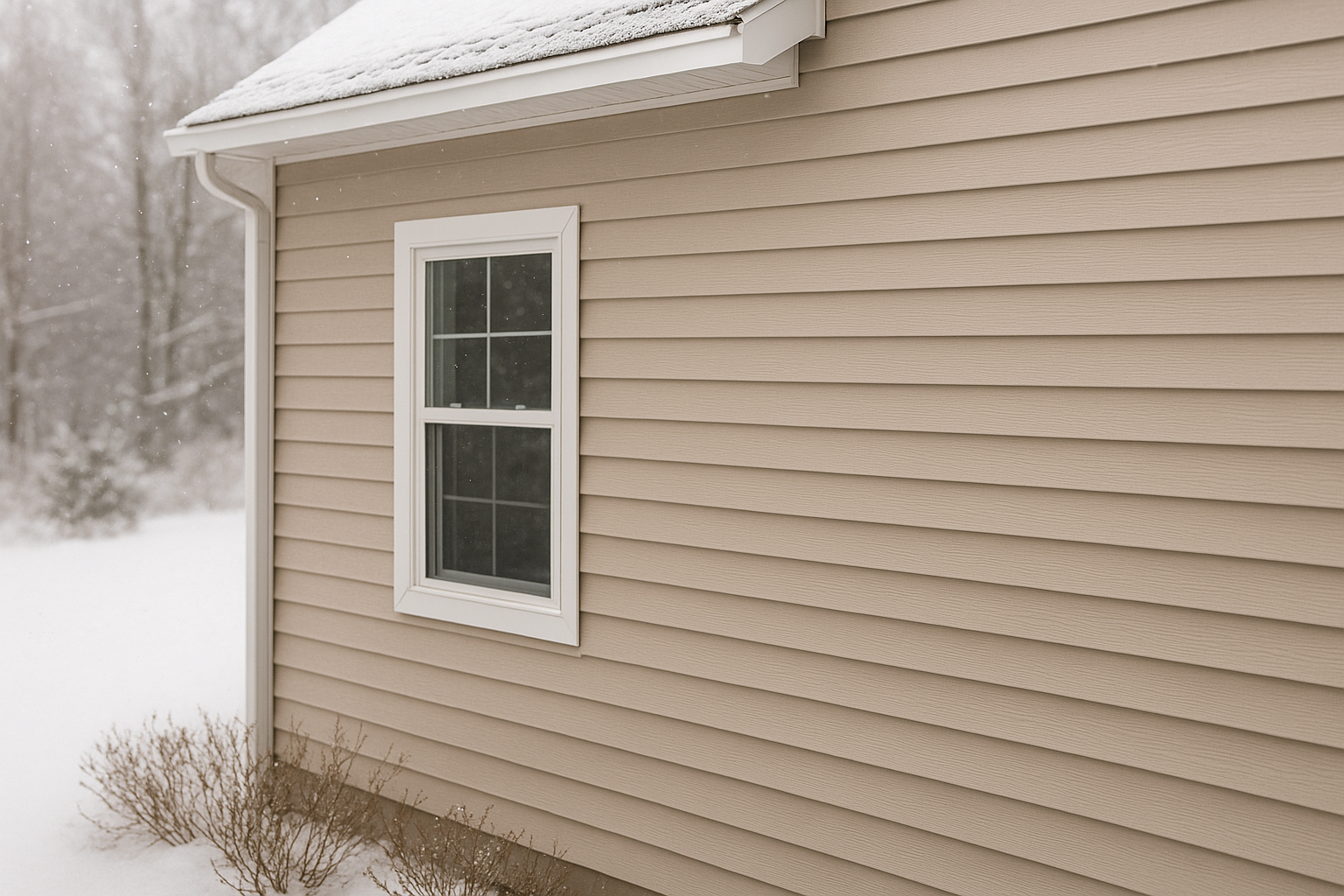
In a typical 1960s Bucks County rancher, roughly a quarter of the exterior wall area is wood framing, and that framing conducts heat about four times faster than the fiberglass batts between it. That is why cold walls and uneven rooms persist even after homeowners add attic insulation. Insulated vinyl siding addresses that specific weak spot by wrapping the outside of the house in a continuous layer of rigid foam, which is a meaningful advantage during a Pennsylvania winter.
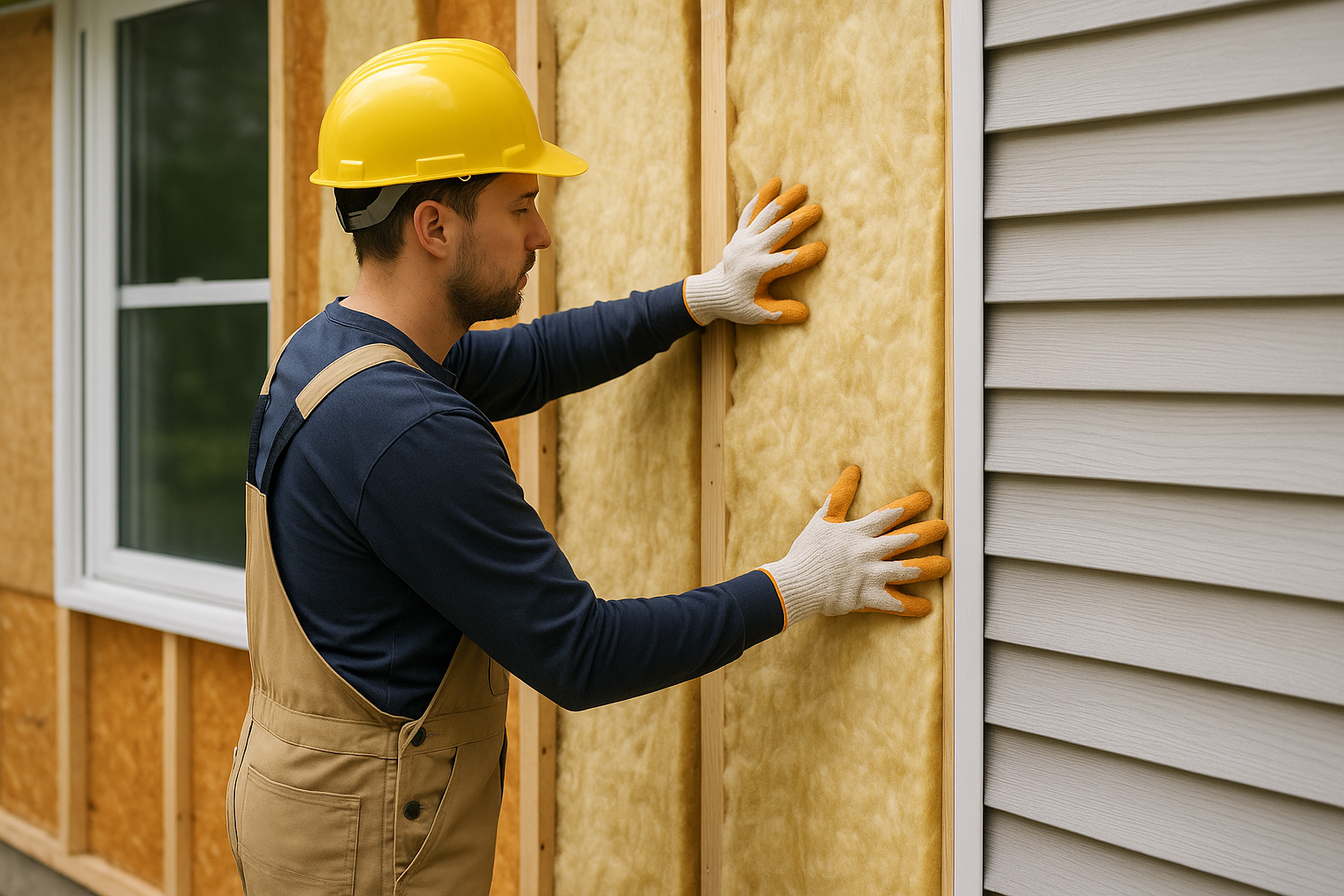
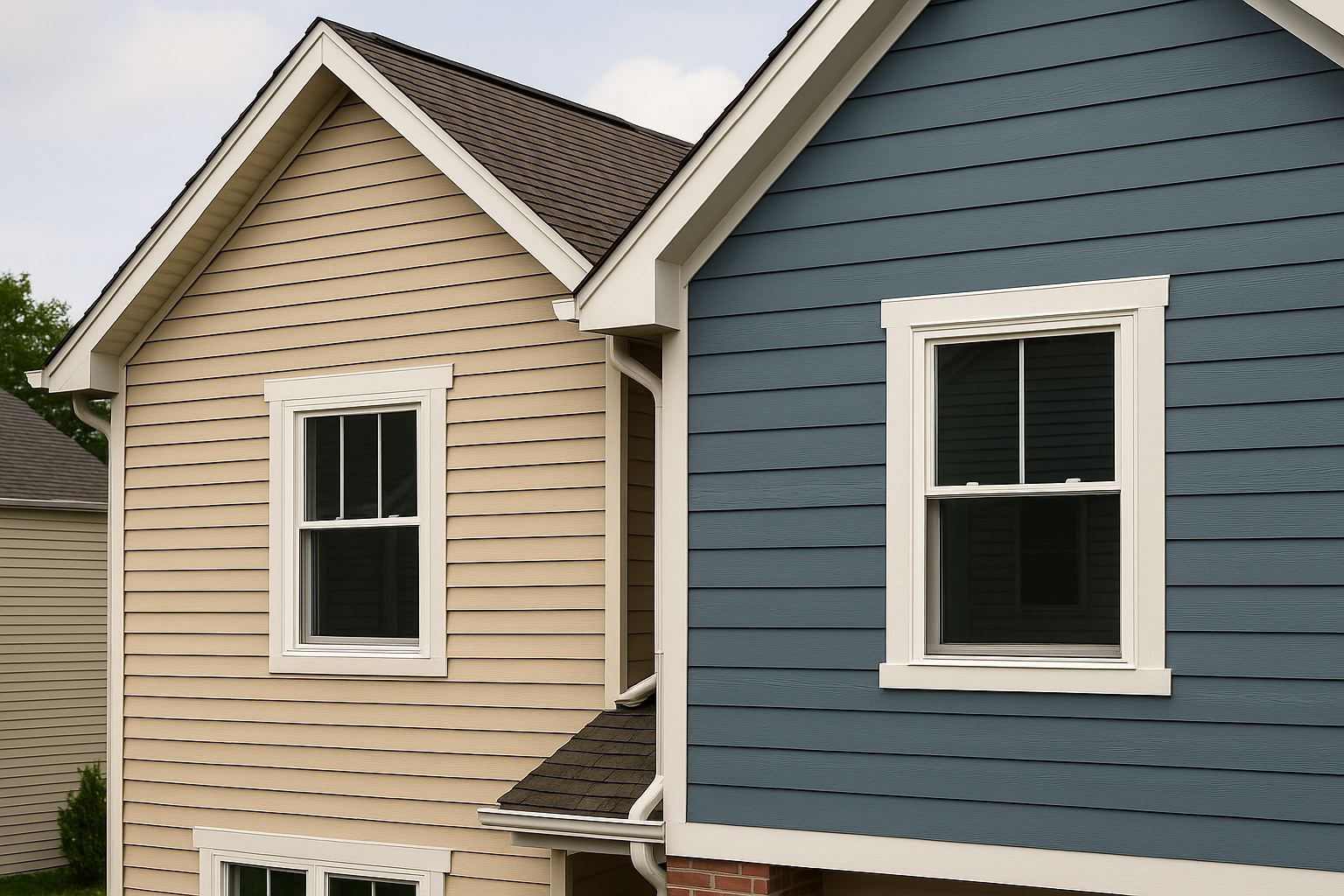
Standard vinyl siding is a hollow panel. Behind it sits air, housewrap and whatever sheathing your builder used, with nothing stopping heat from moving straight through the studs. Insulated vinyl siding has expanded polystyrene foam permanently laminated to the back of each panel, contoured to fill the void so the siding and the foam act as one unit.
The foam backer on most residential products reads between R-2.0 and R-2.7, with a few premium profiles reaching R-3.5. That number sounds small next to an R-49 attic, but it is continuous insulation, meaning it covers studs, rim joists and corners that batt insulation never touches. Continuous exterior insulation is what building scientists point to when they talk about cutting thermal bridging.
Walk along an exterior wall in Souderton or Hatfield on a 20 degree morning with an infrared thermometer and you can map the studs from inside the house. Those cold stripes are thermal bridges, and no amount of blown-in cellulose between the studs fixes them. A continuous foam layer on the exterior interrupts that path.
The U.S. Department of Energy notes that sealing and insulating a home’s envelope is one of the more reliable ways to cut heating and cooling costs, with air sealing and insulation improvements commonly returning savings in the 10 to 15 percent range on heating bills. Insulated siding contributes to that number rather than delivering all of it on its own. Pair it with attic work and air sealing and the effect compounds.
Southeastern Pennsylvania sits in climate zone 4A, where winters are cold enough to run the furnace hard from November through March but not so extreme that homeowners rebuild walls for R-value. That middle ground is exactly where insulated vinyl earns its keep: a modest R-gain applied to every square foot of wall, with no interior demolition.
Comfort complaints usually come from radiant loss, not drafts. When an interior wall surface sits at 58 degrees while the thermostat reads 70, the people on the couch next to it feel chilly regardless of the air temperature. Raising that surface temperature a few degrees changes how a room feels without touching the thermostat.
Most homes in the Perkasie and Quakertown area see heating season savings in the 5 to 12 percent range from insulated siding alone, depending on existing wall insulation, air leakage and fuel type. Houses with empty stud cavities see the biggest swing. Homes already insulated to R-13 with tight windows see less.
The foam backer dampens exterior noise, typically improving the wall assembly’s sound rating by a few points. Along Route 309 or County Line Road, that shows up as less traffic hum in front bedrooms. It is a secondary benefit, but homeowners mention it often.
Hollow vinyl can crack when a tree limb or a hailstone hits it at 15 degrees, since cold vinyl is more brittle. The foam behind an insulated panel spreads impact force across a wider area. Many insulated profiles carry Vinyl Siding Institute certification for wind loads above 110 mph, which covers anything a nor’easter or remnant tropical system brings through Bucks County.
The question we get most often is whether trapping foam against the sheathing invites rot. Properly specified insulated vinyl uses perforated or vapor-permeable EPS foam, which lets water vapor pass outward rather than condensing inside the wall. EPS also absorbs very little liquid water, so repeated freeze-thaw cycles do not degrade it the way they degrade saturated fiberboard.
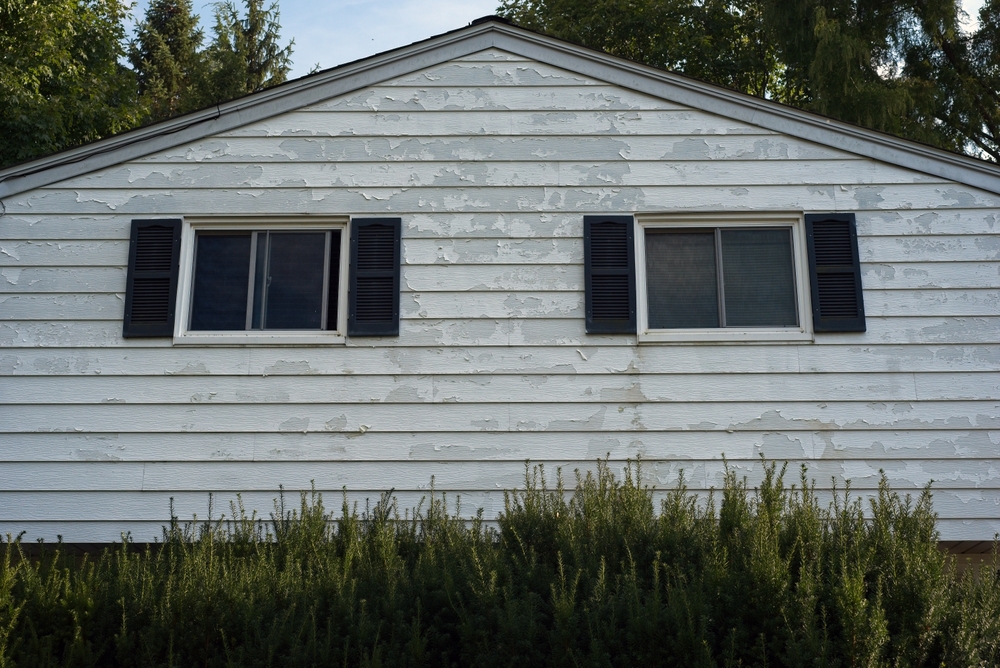
What matters more is detailing. Flashing at windows, kick-out flashing where a roof meets a wall, and a drainage plane behind the panels determine whether a wall stays dry through February thaws and March rain. If your current siding shows staining, soft sheathing or persistent mildew, that is a detailing problem worth solving before new material goes up. Our breakdown of when to repair siding versus replace it walks through how to tell the difference.
Expect $9 to $16 per square foot installed for insulated vinyl siding in this market, compared with roughly $6 to $11 for quality hollow vinyl. On a typical 2,000 square foot two story home with about 1,900 square feet of wall area, that puts most full replacements between $17,000 and $30,000, with trim complexity, dormers and tear-off disposal moving the number.
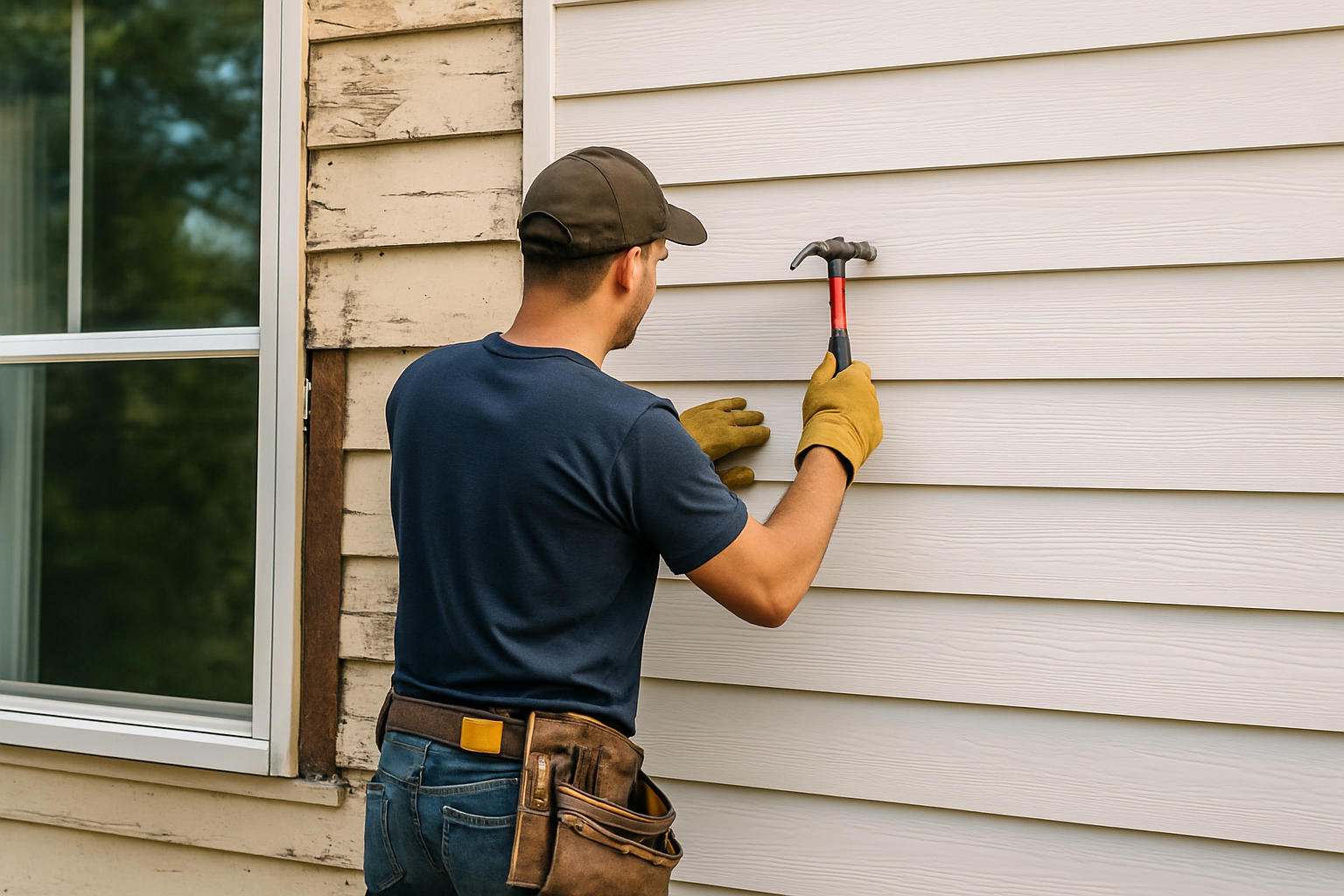
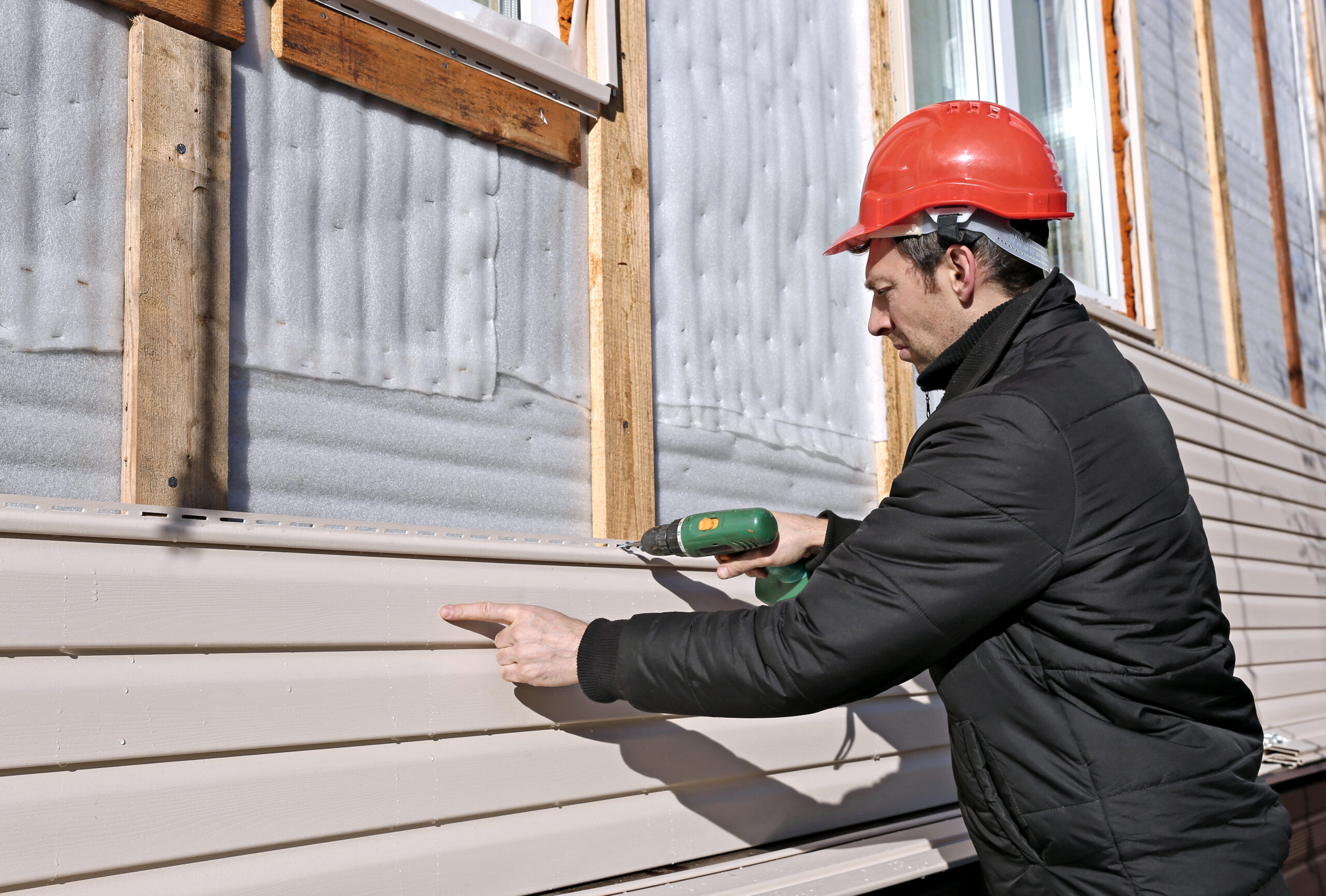
Vinyl contracts in cold weather and expands in summer heat, and a 12 foot panel can move more than half an inch across that range. Installers working below about 40 degrees cut panels slightly longer, increase expansion gaps at trim to roughly 3/8 inch, and nail loosely enough that panels slide. Skip those adjustments and the wall buckles in July.
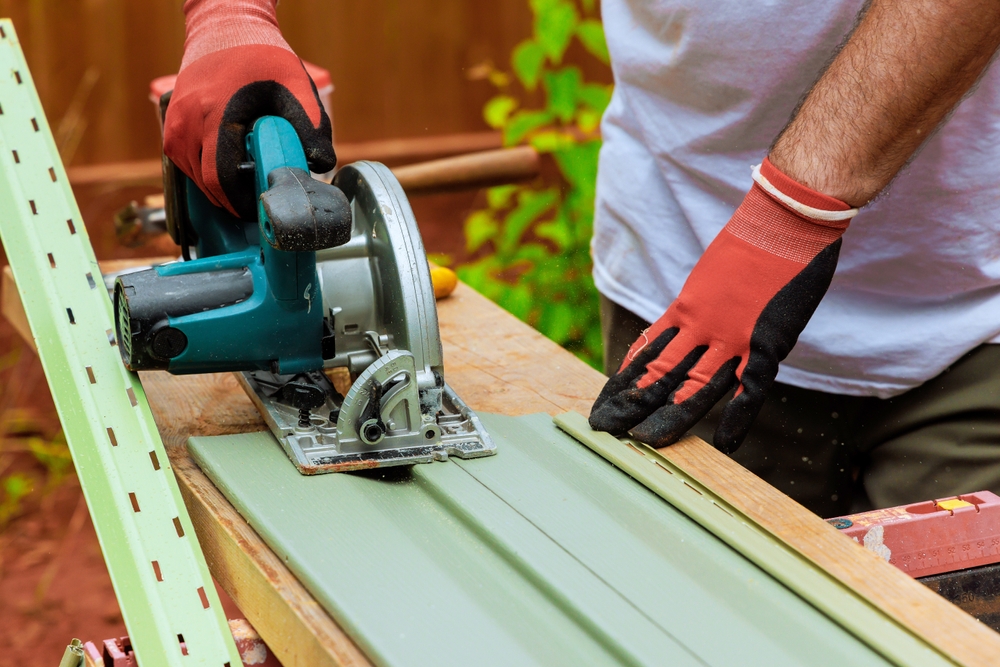
Below roughly 20 degrees, vinyl grows brittle enough that cuts chip and panels crack when flexed, so crews switch to scoring with a utility knife rather than using a circular saw. Winter installation is workable in Pennsylvania, but it demands a crew that adjusts technique rather than one that works the same way in January as in June.
It is not a universal upgrade. Homes with masonry walls, significant structural settlement or historic district restrictions often need a different path. A few situations where we steer people elsewhere:
If your siding is sound and only looks tired, a thorough cleaning sometimes buys several more years. Our crews handle exterior power washing in Souderton and surrounding towns for exactly that reason.
Yes, typically 5 to 12 percent off heating costs plus a noticeable rise in interior wall surface temperature. The energy savings alone rarely justify the premium quickly, but combined with reduced drafts, better impact resistance and quieter rooms, most Pennsylvania homeowners consider the difference obvious after one winter.
Insulated vinyl and fiber cement lead for cold climates, with insulated vinyl offering R-2.0 to R-2.7 of continuous insulation and fiber cement offering superior fire and impact resistance at roughly double the installed cost. In zone 4A Pennsylvania, insulated vinyl usually gives the better cost-to-performance balance.
Below about 20 degrees Fahrenheit, vinyl becomes brittle enough that panels chip and crack during cutting and handling. Experienced crews install down to roughly 30 to 40 degrees by scoring panels instead of sawing and widening expansion gaps to about 3/8 inch.
For most Pennsylvania homes in 2026, insulated vinyl at $9 to $16 per square foot installed delivers the strongest mix of energy performance, low maintenance and resale value. Fiber cement remains the choice where fire resistance or a specific architectural look matters more than budget.
Wolfpack Home Services inspects wall conditions, checks existing insulation and gives you real numbers for both standard and insulated vinyl so the comparison is honest. See our siding services in Perkasie and nearby Bucks and Montgomery County towns to schedule a walkthrough.
From kitchens to roofs, I manage projects that transform your home.
