October 9, 2026
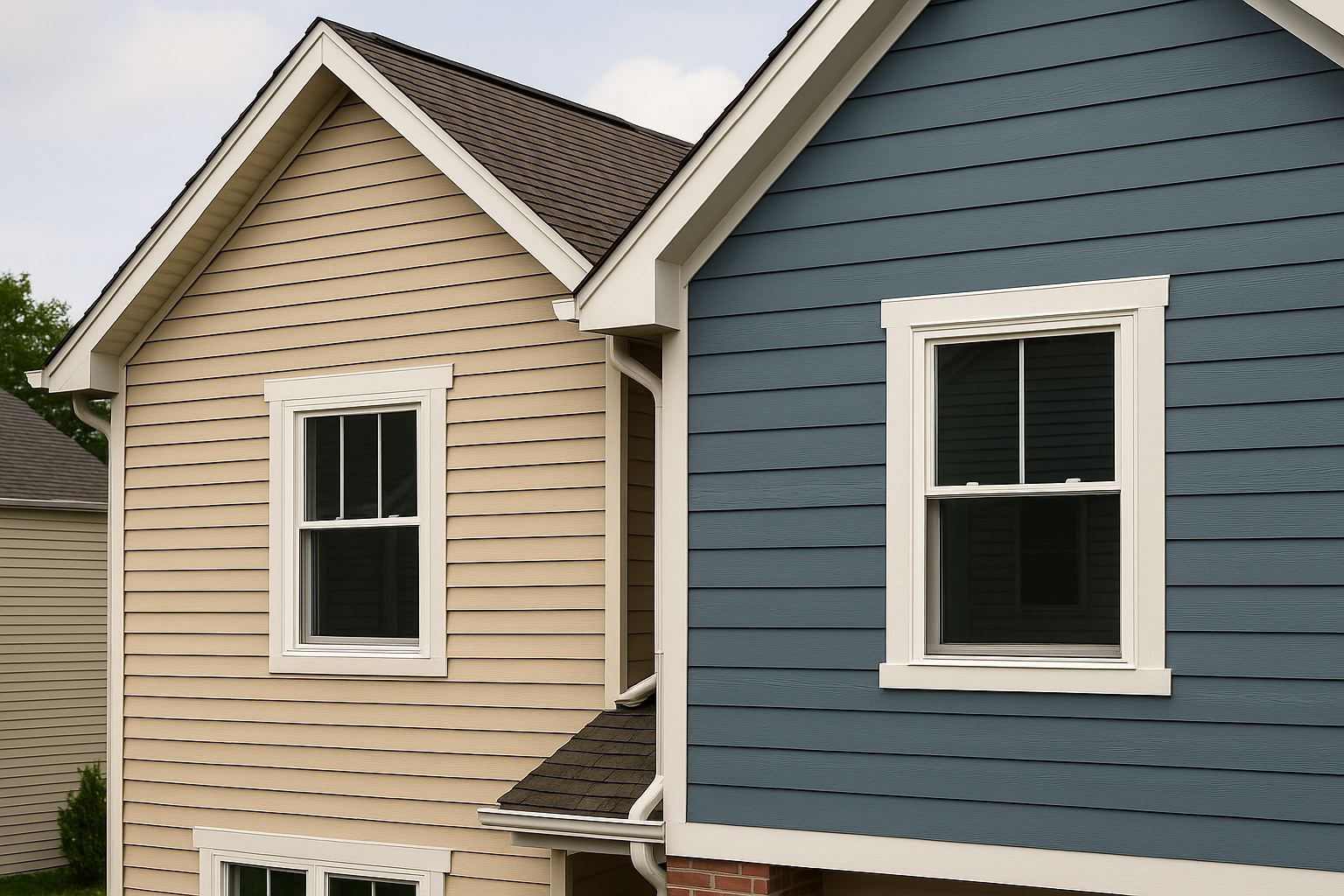
If you are weighing a siding replacement and comparing vinyl vs. fiber cement for PA climates, the short answer is this: vinyl wins on installed cost and cold-weather forgiveness, while fiber cement wins on impact resistance, fire rating and long-term curb appeal. Both perform well in southeastern Pennsylvania when they are installed over a properly detailed wall. The material you pick matters less than most homeowners assume, and the water management behind it matters far more.
Below is an honest comparison built around what our crews actually see on homes in Bucks and Montgomery counties, including 2026 pricing ranges, freeze-thaw behavior and the installation details that decide whether your siding lasts 20 years or 40.
Southeastern PA sits in a mixed-humid zone that punishes exterior cladding from four directions at once. Summer humidity and 90-degree afternoons are followed by winter nights in the teens, and the region typically cycles through roughly 60 to 80 freeze-thaw events each year depending on elevation and exposure.
That swing drives three failure modes we see repeatedly during tear-offs:
You can check long-term temperature and precipitation patterns for your ZIP through the NOAA U.S. Climate Normals dataset, which is a better planning tool than a single memorable winter.
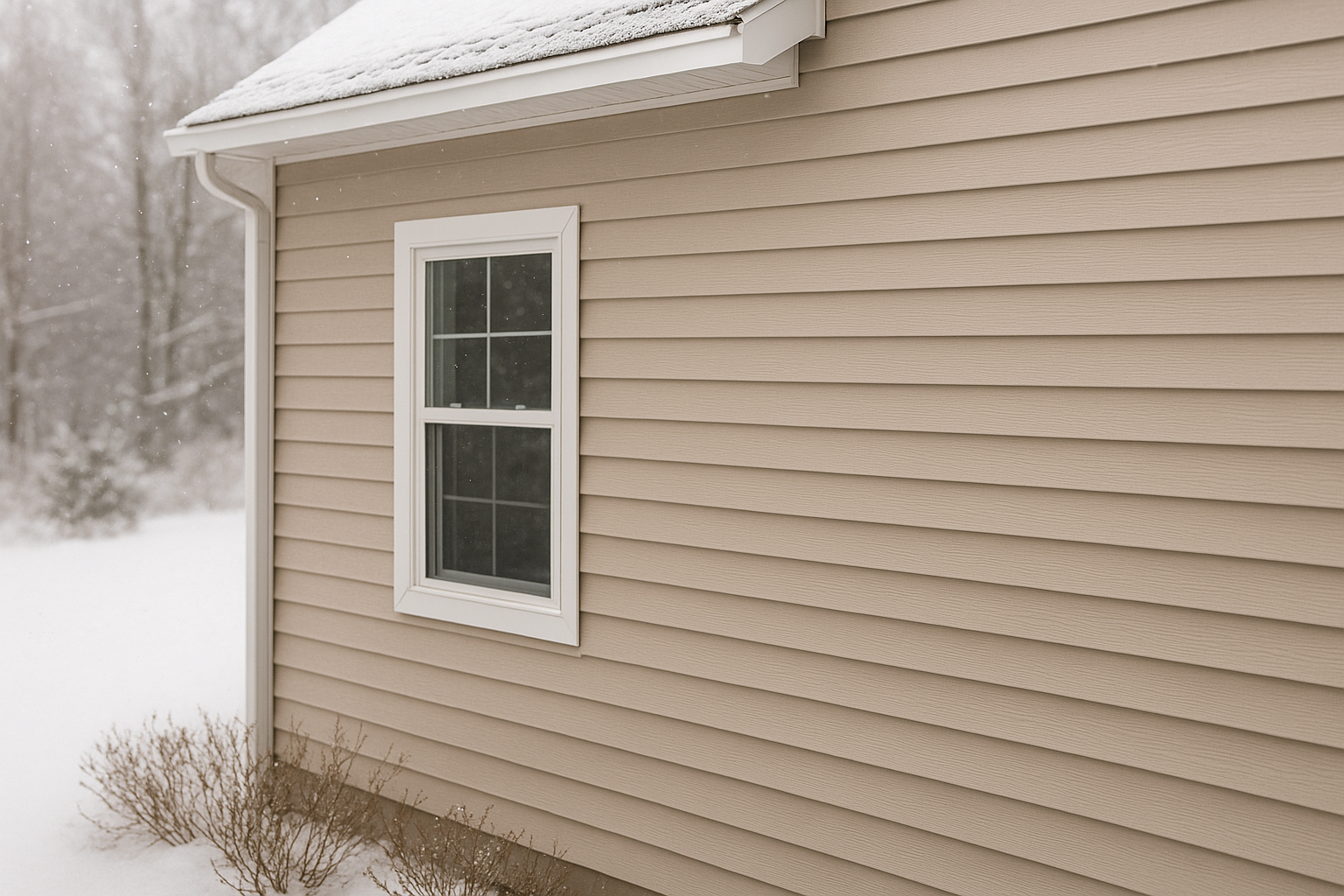
Modern vinyl is not the thin, wavy product from the 1990s. Premium panels run .044 to .048 inches thick, carry foam backing options and hold color far better than older formulations, which chalked badly on south-facing walls.
Where vinyl earns its keep in Pennsylvania:
The weaknesses are real too. Vinyl gets brittle below about 20 degrees, so a ladder bump or a stray hockey puck in February can crack a panel. Cheap builder-grade profiles also read as plastic up close, and dark colors on unshaded walls can warp if a neighbor’s low-E window reflects concentrated sunlight onto them.
Fiber cement is a composite of portland cement, sand, water and cellulose fiber, pressed and cured into planks, panels or shingles. James Hardie dominates the category in our market, and their HardieZone products are formulated specifically for northern freeze-thaw exposure rather than sold as one universal board.
What fiber cement does better:
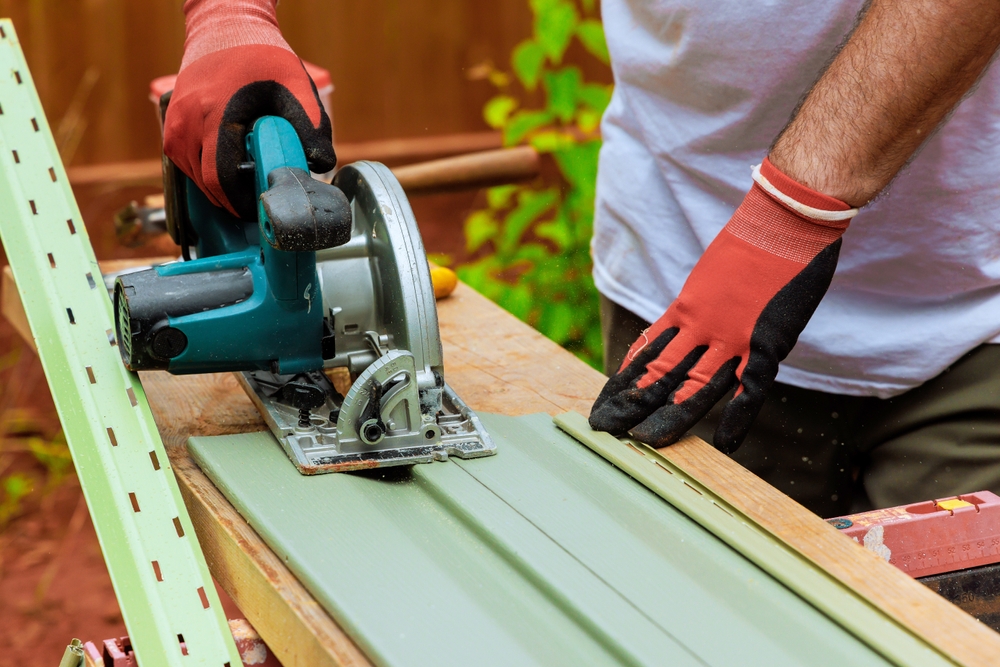
The trade-off is water behavior. Fiber cement is water-resistant, not waterproof, and any field-cut edge left unsealed will wick moisture and eventually swell during freeze-thaw. That single detail explains most of the failed fiber cement installs we are called to fix in Montgomery County.
Related reading: Cabinet Refacing vs. Replacement in Your Kitchen Reno.
Pricing shifts with elevation height, trim complexity and how much rotted sheathing turns up after tear-off, but these are realistic installed ranges for our service area in 2026:
A typical 2,000-square-foot two-story home in this area has roughly 1,800 to 2,300 square feet of wall surface once you subtract windows and doors. That puts vinyl replacement around $13,000 to $28,000 and fiber cement around $24,000 to $48,000, with the spread driven mostly by trim details, gable height and whether the house needs new house wrap.
Add $1,500 to $4,000 if the tear-off reveals damaged sheathing, which is common on homes built before 1985 with original board or aluminum cladding.
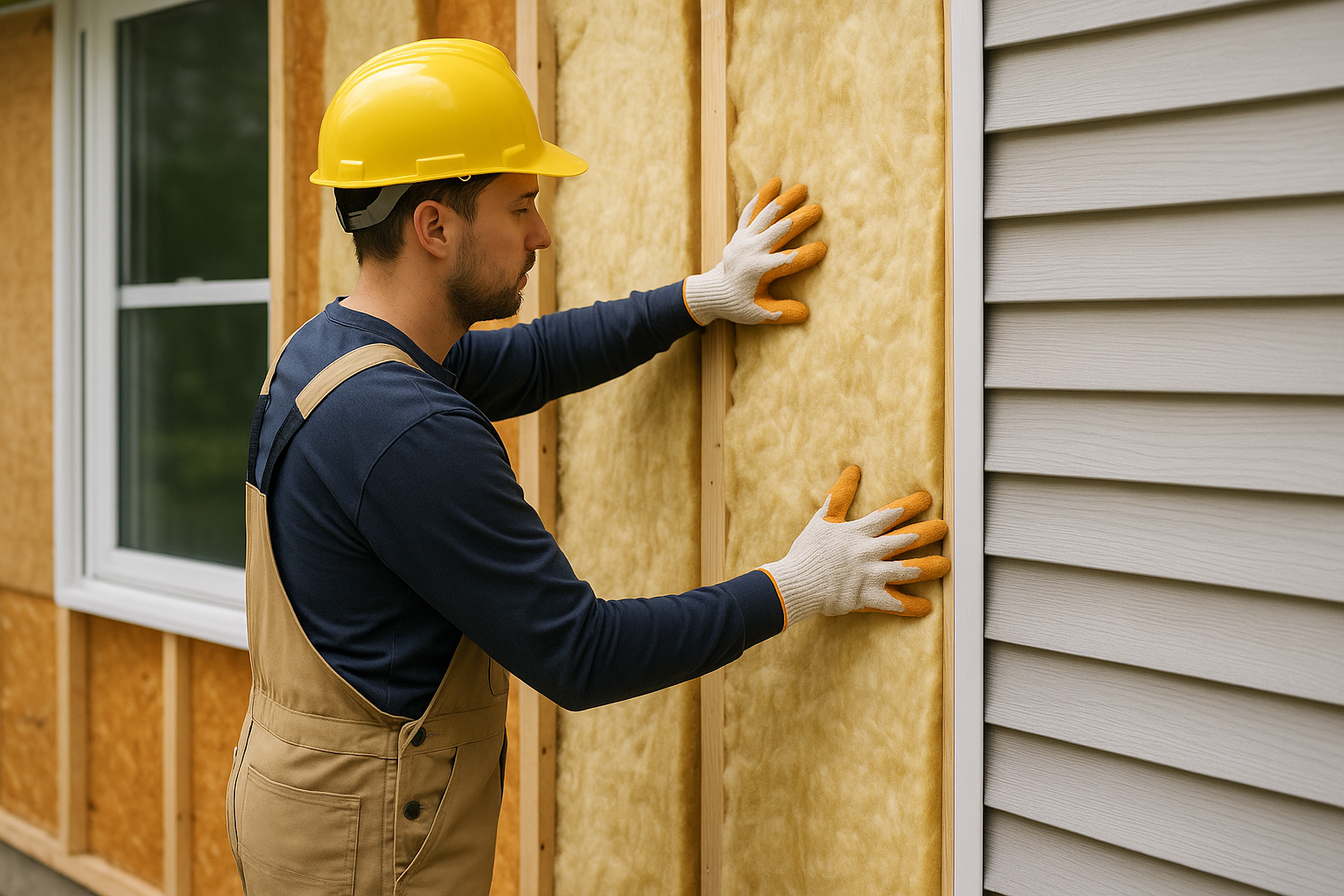
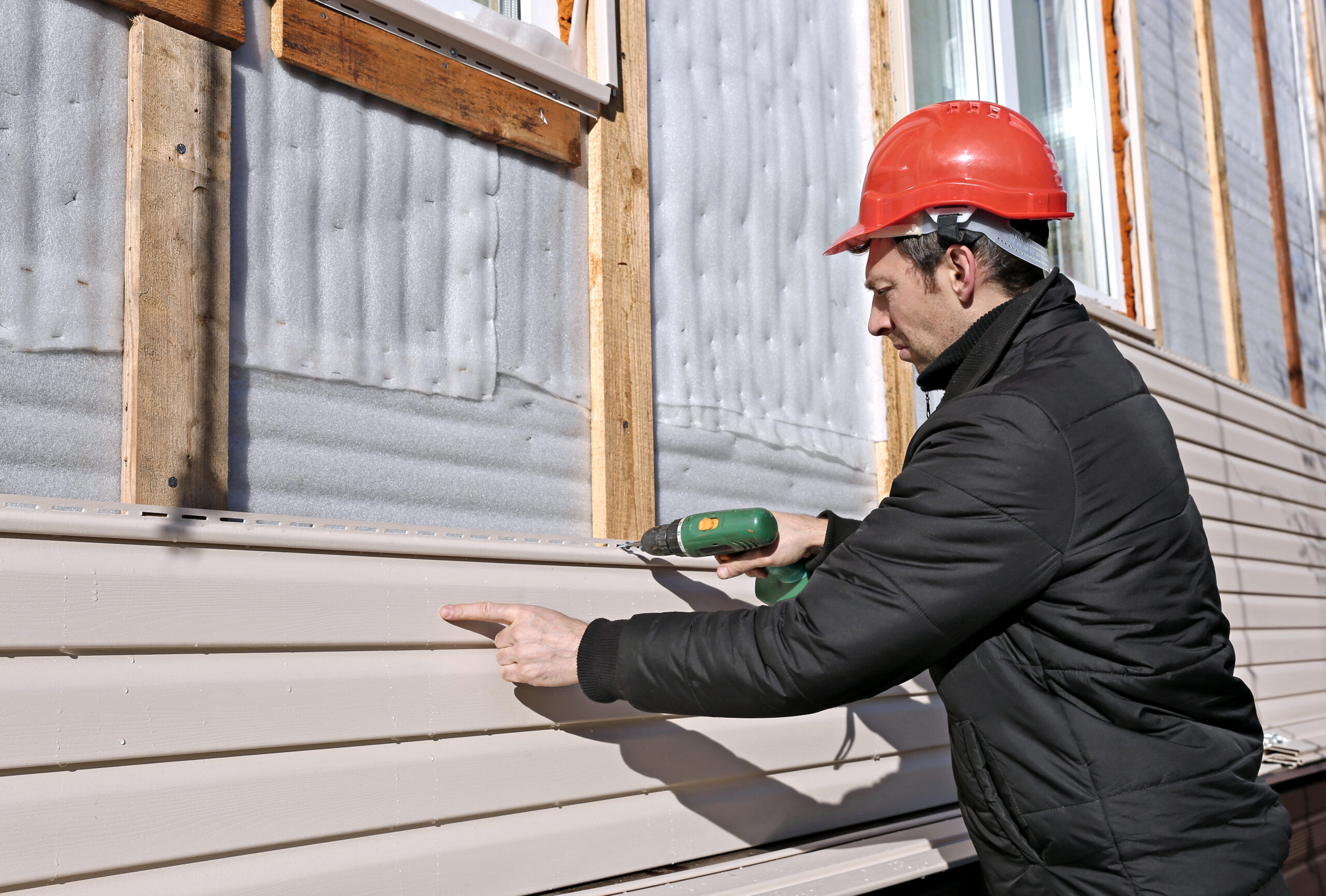
Most comparison articles stop at material specs. In practice, the wall assembly decides the outcome, and we would rather install budget vinyl over a correct assembly than premium fiber cement over a sloppy one.
Four details we insist on for PA installs:
Skip those and the material choice is academic. Water finds the shortcut, the sheathing softens and you are paying twice within a decade.
Vinyl needs an annual rinse and occasional attention to caulk joints at trim. Fiber cement needs the same washing plus repainting roughly every 12 to 15 years if it was field-painted, though factory-finished products with a 15-year finish warranty stretch that further.
Either way, gentle washing extends the life of the finish and keeps north-facing walls free of the green algae film that thrives in humid Bucks County summers. Our power washing crews in Souderton use low-pressure soft wash on both materials, because a 3,000 PSI wand will drive water behind laps and strip fiber cement paint.
If your existing siding is structurally sound and only the color has faded, replacement may be premature. We walk through that decision in detail in our guide on exterior painting vs. siding replacement.
There is no universal best siding for Pennsylvania, but there are clear tiebreakers:
Homeowners comparing exterior upgrades often look at durability the same way they evaluate decking materials that survive Bucks County weather: absorption rate, movement and how the material behaves at its edges.
The main downsides are cost (typically 60 to 100 percent more installed than vinyl), weight of about 2.3 pounds per square foot, and the need to repaint field-finished board every 12 to 15 years. It also requires sealed cut edges and correct ground clearance, because unprotected edges absorb water and can swell or delaminate after repeated freeze-thaw cycles.
Expect roughly $24,000 to $48,000 installed in southeastern Pennsylvania in 2026, based on $13 to $22 per square foot across about 1,800 to 2,300 square feet of wall area. Complex rooflines, three-story elevations, custom trim packages and unexpected sheathing repair push projects toward the top of that range.
It can reduce premiums by roughly 5 to 15 percent with some carriers, because fiber cement is noncombustible and rated for high wind and hail impact. Savings vary widely by insurer and location, so ask your agent for a written quote comparison before counting it in your payback math.
Fiber cement is more durable and typically lasts 40 to 50 years versus 25 to 35 for quality vinyl, but it is not automatically the better choice. For a homeowner selling within a decade, or one working with a fixed budget on a complicated elevation, premium insulated vinyl often delivers a stronger return per dollar.
Vinyl is unaffected by freeze-thaw because it absorbs essentially no water, while fiber cement handles it well only when every cut edge is sealed and clearances are respected. Both materials fail in the same way if the wall behind them lacks proper flashing and a drainage path.
Wolfpack Home Services measures the wall, checks the sheathing condition and gives you side-by-side numbers for both materials so you can compare real figures instead of averages. Explore our siding services in Perkasie or contact us to schedule an on-site siding assessment anywhere in Bucks and Montgomery counties.
From kitchens to roofs, I manage projects that transform your home.
